

How Much to Transport a Dead Body Between States?
Transporting a dead body from one state to another typically costs between $1500 and $8,000+. These expenses cover professional services, transportation permits, embalming, and the actual transit fees via ground or air. Total costs fluctuate based on distance, weight, and the specific funeral home service fees chosen by the family.
What factors influence the cost of transporting a body?
When a loved one passes away far from home, the logistical challenge of moving their remains can feel overwhelming. The primary variable in the cost to transport a dead body from one state to another is the distance between the place of death and the final destination. However, distance is only the beginning. Funeral homes on both ends, the shipping home and the receiving home, charge professional service fees for their roles in the process. The shipping home must handle the initial removal, embalming, and preparation of the body, while the receiving home coordinates the arrival and final services.
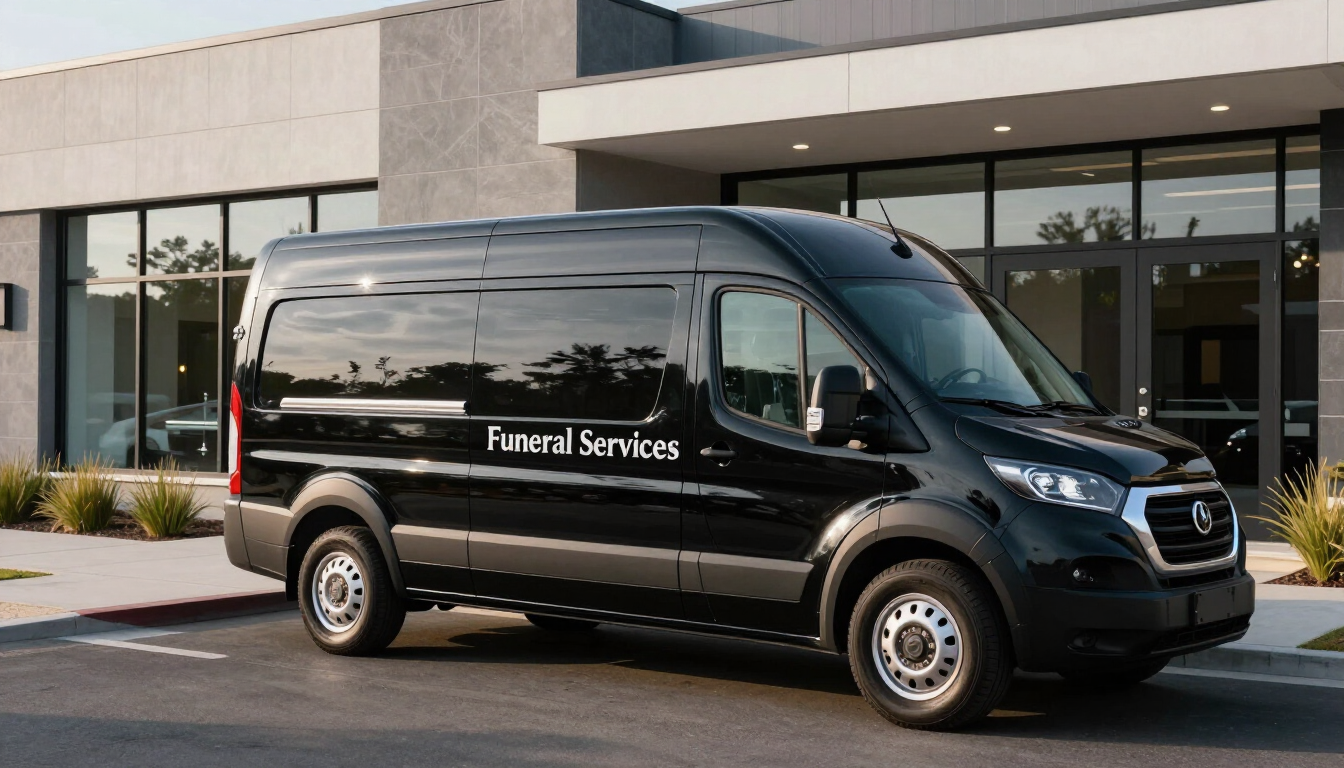
Transportation methods also play a significant role. Choosing between a specialized funeral coach (hearse) for ground transport or commercial airline shipping significantly alters the invoice. Ground transport is often billed per mile, while air travel involves fixed airline rates plus the cost of specialized transit containers. These containers, such as Ziegler cases or air trays, are required by law and airline regulations to ensure the safety and dignity of the deceased during transit.
Other contributing factors include:
- The weight of the deceased and the casket.
- The urgency of the delivery timeline.
- Local permits and death certificate fees.
- Specific state embalming requirements for transit.
- Airline fuel surcharges and terminal handling fees.
Families often find that working with a provider specializing in domestic funeral shipping helps streamline these costs by avoiding unnecessary markups. By centralizing the logistics, you can often mitigate the fees associated with having two separate funeral homes manage every detail independently.

Average Costs of Interstate Funeral Shipping
To provide a clear picture for families in New Jersey and beyond, it is helpful to look at a breakdown of standard industry pricing. While every case is unique, the average cost of shipping human remains across state lines starts with a "Transfer of Remains" fee, which usually ranges from $1,500 to $3,000. This fee covers the funeral director's time, the use of specialized vehicles for local transport, and the complex paperwork required by state health departments.
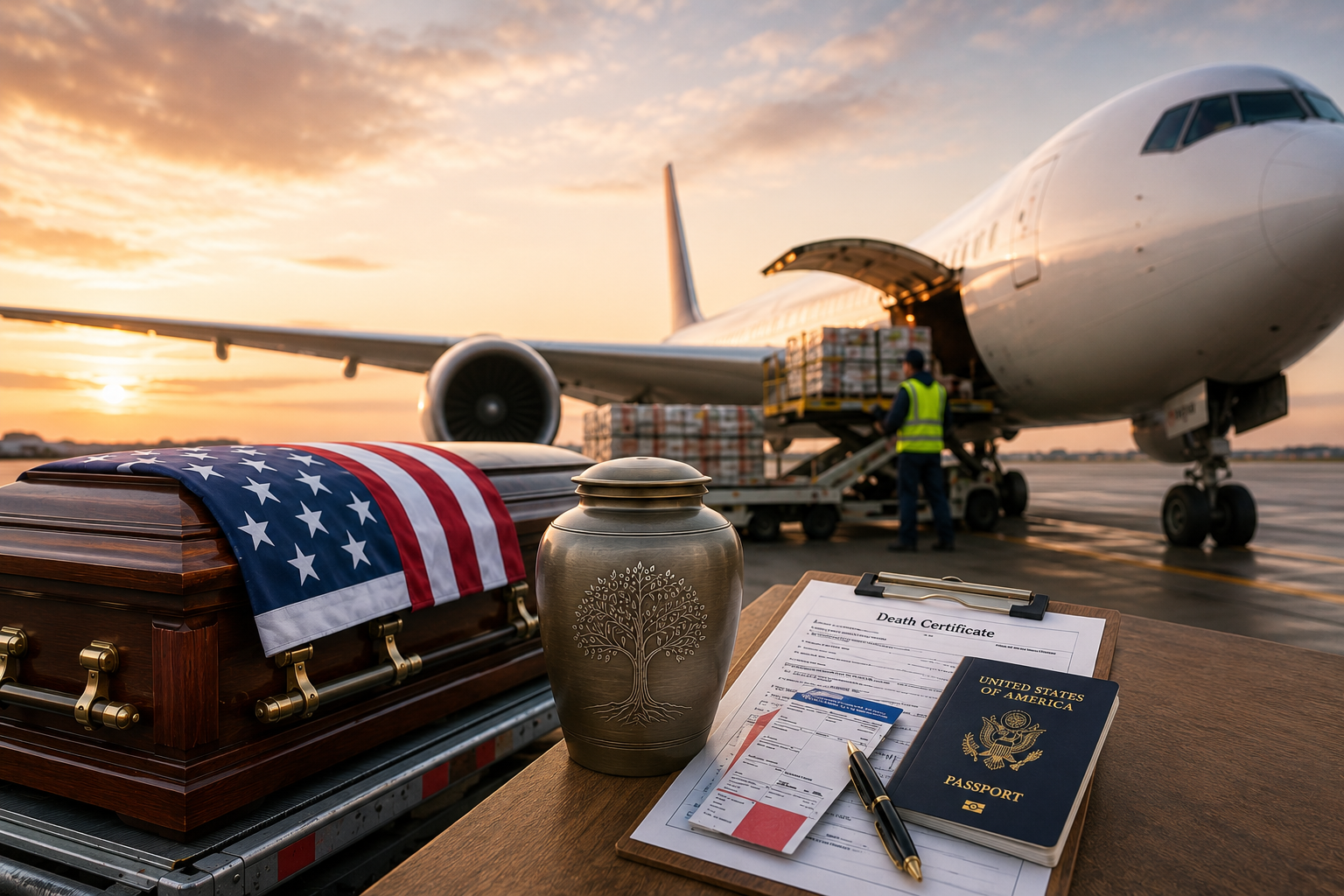
If you choose to [transport a dead body from one state to another] via air, you must account for the airline's freight charges. Most major carriers have specialized programs for shipping human remains, often referred to as "Known Shipper" programs. These rates are not public and are typically only available to licensed funeral directors. Depending on the destination and the total weight, airfare for human remains can range from $500 to over $1,500. This does not include the cost of the air tray, which is a wood-bottomed container with a cardboard top used to protect the casket, typically costing around $200 to $400.
For ground transportation, funeral homes usually charge a flat fee for the first 25–50 miles, followed by a per-mile rate that ranges from $2.50 to $5.00. For states that share a border, such as New Jersey and New York or Pennsylvania, ground transport is frequently the most cost-effective and direct method. However, for a cross-country move, such as New Jersey to California, air transport is almost always the more efficient choice, despite the added container costs.
Transporting a loved one from one state to another typically costs about $1,500 to $8,000 or more, depending on the distance, method of transportation, preparation requirements, airline charges, shipping container, permits, and services required at the destination. For example, transportation from New Jersey to a nearby state such as New York or Pennsylvania may cost considerably less than transportation to Florida, Texas, or California.
| From New Jersey to | Estimated Transportation Range* |
|---|---|
| New York | $1,500–$3,500+ |
| Pennsylvania | $1,500–$3,500+ |
| Massachusetts | $2,000–$4,000+ |
| Virginia | $2,000–$4,500+ |
| North Carolina | $2,500–$5,000+ |
| Georgia | $2,500–$5,500+ |
| Florida | $3,000–$6,000+ |
| Illinois | $3,000–$6,000+ |
| Texas | $3,500–$7,500+ |
| California | $4,000–$8,000+ |
Every situation is different. International Funeral Service of New Jersey coordinates domestic funeral shipping to all 50 states and can provide an accurate quote based on the location of your loved one, final destination, and services required.
Contact us with the origin and destination for a personalized funeral shipping quote.
How does ground transportation compare to air shipping?
Choosing the right mode of transport involves balancing cost, speed, and geography. Ground transportation is often viewed as the more "intimate" option, as a single funeral director or transport specialist typically stays with the body from the point of origin to the destination. This eliminates the need for terminal transfers and the complexities of airport logistics. It is the preferred method for distances under 300 to 500 miles. For families who are already planning traditional funeral services , ground transport can often be integrated into the service package more seamlessly.
Air shipping, conversely, is built for speed and long distances. When you need to transport a dead body from one state to another across several time zones, the air is the only practical solution. It requires the deceased to be embalmed or placed in a hermetically sealed container, depending on the airline's rules and the destination state's laws. The logistics are more complex, involving delivery to the airport cargo terminal several hours before flight time and coordination with a receiving funeral home for pickup upon arrival.
Key differences between ground and air include:
- Ground offers door-to-door service without transfers.
- Air is significantly faster for long-range repatriation.
- Ground costs are highly sensitive to fluctuating fuel prices.
- Air requires specialized "Known Shipper" status for security.
- Ground allows for more flexible scheduling than flight manifests.
For those managing a move from the Northeast, reaching out to experts in International Funeral Shipping New Jersey can provide insight into how these domestic logistics mirror international standards, ensuring that even state-to-state moves are handled with the highest level of regulatory compliance.
Legal Requirements for Shipping Human Remains
The law is very specific regarding how one may transport a dead body from one state to another . No individual can simply place a casket in a private vehicle and drive across state lines. Every state has a department of health or a board of mortuary science that regulates the movement of remains. The most critical document is the Burial Transit Permit (BTP). This permit is issued by the local registrar or health department in the county where the death occurred. It acts as a legal passport for the deceased, granting permission for the body to be moved, buried, or cremated in a different jurisdiction.
Embalming is another critical legal and practical consideration. While not every state strictly requires embalming for every death, many states mandate it if the body is being transported by a common carrier (like an airline) or if the body will not reach its destination within a certain timeframe (often 24 to 48 hours). If a family chooses not to embalm due to religious or personal reasons, they must use a refrigerated vehicle or a hermetically sealed Ziegler case to comply with health regulations and prevent decomposition during the journey.

What legal documents are needed for interstate shipping?
Before any transport can begin, a significant amount of paperwork must be finalized. The funeral director in charge of the shipping process will handle most of this, but families need to provide the necessary information promptly to avoid delays. Errors on these documents can lead to remains being held at state borders or airport terminals, which adds both emotional and financial stress to the situation.
Requirements for interstate transport generally include:
- A certified copy of the Death Certificate.
- The Burial Transit Permit from the originating state.
- An Embalming Affidavit (if embalming was performed).
- A Letter of Non-Contagious Disease from the local health officer.
- A signed Authorization to Transport remains.
In some cases, especially when dealing with specific infectious diseases, additional health department clearances may be required. When these logistics become complex, utilizing Consulate & Logistics Services can be helpful, as these professionals are accustomed to the rigorous documentation standards required for both domestic and international movement. Ensuring every "i" is dotted and every "t" is crossed is the best way to ensure a respectful and timely transition for your loved one.
Are there hidden fees in funeral shipping?
Families are often surprised by the "ancillary" costs that appear when they transport a dead body from one state to another . These are not necessarily hidden to be deceptive, but they are often overlooked during the initial grief-stricken planning stages. For example, if the deceased is being shipped by air, the funeral home must purchase an air tray. This is a one-time-use container required by airlines to protect the casket. If the body is not in a casket, a combo unit (a combination of a casket and shipping container) is required, which costs more than a standard air tray.
Another potential expense is storage fees. If the receiving funeral home cannot take delivery immediately, or if the flight is delayed and the body must be held in a climate-controlled facility, daily storage rates will apply. Additionally, many families forget that the cost of the actual funeral service at the destination is separate from the shipping costs. You are essentially paying for three things: the preparation and shipping, the transportation itself, and the final service/burial at the destination.
To minimize these surprises, it is wise to consider funeral pre-planning services . Pre-planning allows you to lock in transportation costs or at least establish a clear fund and set of instructions for how the transport should be handled. This prevents the family from having to make expensive, snap decisions during a time of loss.
Ways to Manage Transportation Expenses
While the cost to transport a dead body from one state to another is significant, there are ways to manage the burden without sacrificing dignity. One of the most effective methods is to opt for direct cremation at the place of death and then ship the cremated remains (ashes). Shipping ashes via the United States Postal Service (the only legal way to ship cremated remains) costs a fraction of what it costs to ship a body—usually under $200. The family can then hold a memorial service at their convenience in their home state.
If a full-body burial is required, comparing the rates of specialized mortuary shipping companies can lead to savings. These companies often have lower overhead for transport than a full-service funeral home that focuses primarily on local ceremonies. Additionally, consider the type of casket. Shipping a heavy, solid bronze casket is significantly more expensive than shipping a light gauge steel or wood casket due to airline weight limits.
Strategies for reducing costs include:
- Choosing ground transport for neighboring states.
- Opting for a lighter-weight shipping container or casket.
- Selecting a "direct ship" service without a viewing at the origin.
- Using a specialized repatriation service provider.
- Considering cremation at the location of death.
Professional Logistics and Shipping Partner Selection
When you are tasked with moving a loved one across the country, the partner you choose makes all the difference. You need a provider that understands the nuances of the "Known Shipper" program and has established relationships with major airlines. They should also be familiar with the varying laws of all 50 states. For instance, some states require a local funeral director to be present at the airport for pickup, while others allow for more flexible delivery options.
At our facility, we specialize in the compassionate handling of both domestic and International Funeral Shipping . We understand that this is more than just cargo; it is a member of your family. Our team handles the permits, the preparation, and the transit logistics so that you can focus on your family and the healing process. Whether you are moving a loved one to or from New Jersey, we provide the expertise needed to ensure the journey is handled with the utmost respect and efficiency.
Summary of Interstate Transportation Costs
In conclusion, the cost to transport a dead body from one state to another is influenced by a combination of professional fees, transportation methods, and legal requirements. While the average range of $2,000 to $5,000 covers most domestic situations, being aware of the variables—like air trays, per-mile ground rates, and state permits—can help you plan more effectively. The most important step is to communicate clearly with your funeral director to ensure all costs are transparent and that the logistics are handled according to your wishes.
- Total Estimate: Expect to pay $2,000–$5,000 for standard interstate transport.
- Method Choice: Use ground for under 300 miles; air for long distances.
- Mandatory Items: Air trays and Burial Transit Permits are non-negotiable for air travel.
- Savings: Direct cremation and shipping of cremated remains is the most affordable alternative.
- Next Step: Contact a specialist in domestic funeral shipping New Jersey to get a detailed, personalized quote based on your specific needs.
By understanding these logistical components, you can ensure that your loved one’s final journey is conducted with the dignity they deserve while keeping the financial impact manageable for the survivors.
Recent Posts