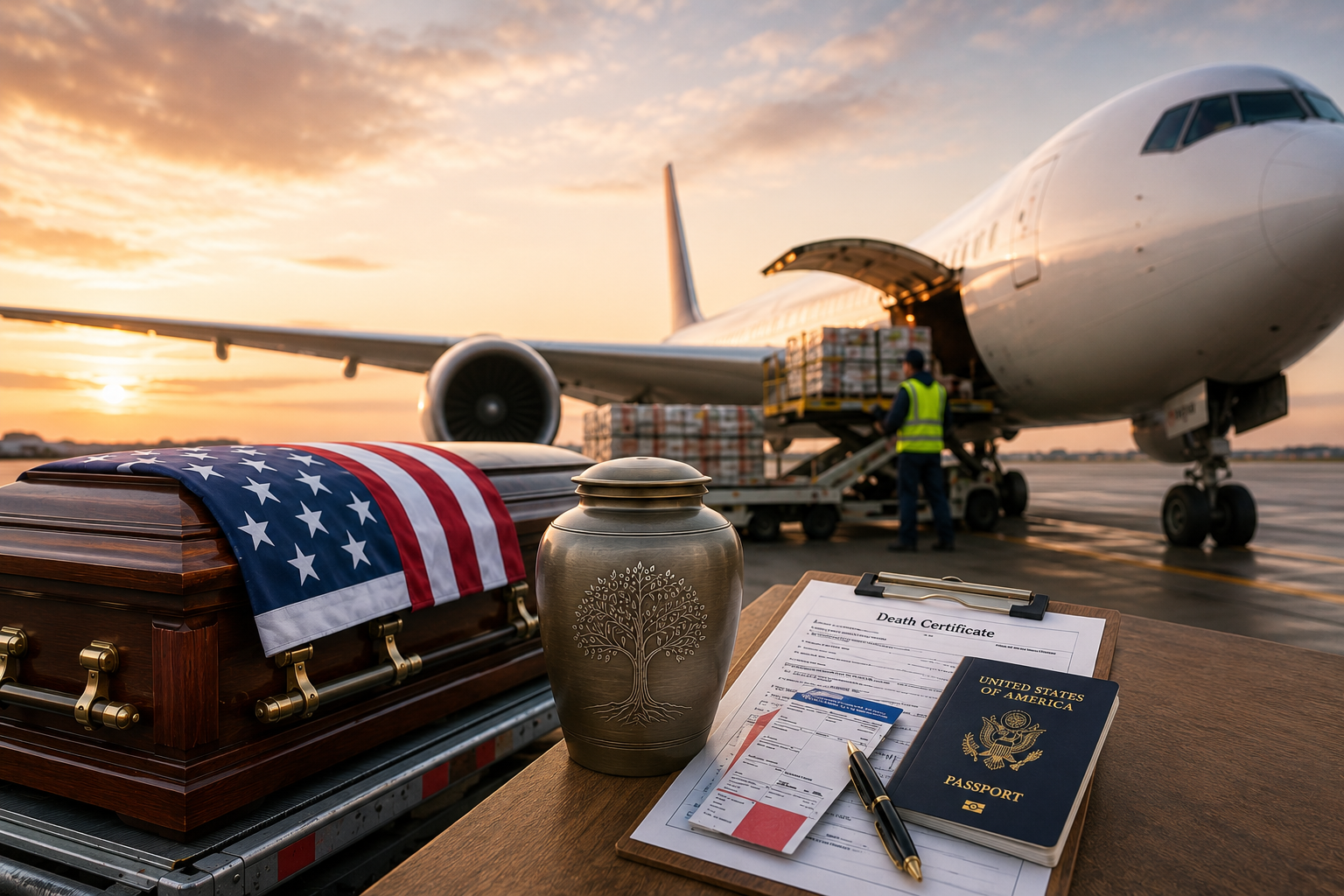



International Funeral Shipping: The Comprehensive Guide
International funeral shipping is the specialized logistical process of transporting a deceased person or their cremated remains across international borders for final disposition. This complex service involves coordinating with funeral homes, airlines, and foreign consulates to ensure compliance with strict health, legal, and transportation regulations in both the originating and receiving countries.
When a loved one passes away far from home, the emotional weight is heavy enough without the added burden of navigating international law. Whether you are a family member trying to bring a loved one back to their ancestral soil or a funeral director assisting a client, understanding the nuances of international repatriation is essential. The process is not as simple as booking a flight; it requires a deep understanding of International Funeral Shipping protocols and a meticulous attention to detail regarding paperwork and sanitation standards. This guide will walk you through the essential components of international mortuary shipping to ensure a dignified and seamless journey.
What is International Funeral Shipping?
International funeral shipping, often referred to as international repatriation, is the act of returning a deceased individual to their home country or moving them to a foreign country for burial or cremation. This service is a niche sector within the funeral industry that requires specialized knowledge of international air cargo regulations, public health laws, and diplomatic procedures.
Unlike domestic transportation, international shipping involves multiple layers of government oversight. Each country has its own set of rules regarding how human remains must be prepared, what type of container must be used, and which documents must accompany the remains. For instance, some countries require a zinc-lined casket to prevent the release of gases or fluids, while others may have specific requirements for the type of wood or metal used in the outer shipping container.
Professional shipping services ensure that these requirements are met long before the remains reach the airport. By working with experts in services , families can avoid costly delays and the emotional distress of having a loved one held at a border due to a paperwork error or an improper container.
How to navigate legal requirements for repatriation?
Navigating the legal landscape of international funeral shipping requires a methodical approach to documentation. Every country requires a specific set of permits and certificates to allow human remains to cross their borders. Failure to provide even one document can result in the remains being returned to the point of origin or held indefinitely in a transit hub.
To ensure a smooth process, you must coordinate with the local registrar of the location where the death occurred, the funeral home, and the receiving country’s consulate. This often involves translating documents into the official language of the destination country and obtaining an "Apostille" or a seal of authentication from the Secretary of State or a similar authority.
Essential Documentation Checklist
To prepare for international transport, you will typically need the following documents:
- Certified Death Certificate: The official record of the death, often requiring multiple copies.
- Burial-Transit Permit: A legal document issued by the local health department allowing the transport of remains.
- Embalming Certificate: A notarized affidavit confirming that the remains have been properly preserved for international travel.
- Non-Contagious Disease Letter: A statement from the medical examiner or health department confirming the deceased did not have a communicable disease.
- Consular Mortuary Certificate: A document issued by the destination country's consulate authorizing the shipment.
What is the role of foreign consulates in this process?
The foreign consulate of the receiving country plays a pivotal role in international funeral shipping. They act as the final gatekeeper for the remains entering their territory. Most countries require that the shipping funeral home submits all documentation to the consulate for review and approval before the remains can be booked on a flight.
Consular officers will verify that the death was recorded correctly and that the shipping casket or container meets their national standards. In many cases, a consular representative must physically witness the sealing of the shipping container and apply a lead seal to ensure it is not tampered with during transit. This is why Consulate & Logistics Services are a critical part of the repatriation workflow.
Timing is crucial when dealing with consulates. Some consulates may only process mortuary documents on specific days of the week, or they may have extended processing times during holidays. Working with a provider who has established relationships with various consulates can significantly speed up this phase of the process.
Logistics and airline transportation requirements
Once the legal and consular hurdles are cleared, the focus shifts to the physical logistics of transport. Airlines have very specific rules for carrying human remains as cargo. Most major international carriers participate in the "Known Shipper" program, a security measure regulated by the TSA and international aviation authorities.
Under this program, only authorized funeral homes and shipping agencies can book the transport of human remains. This prevents unauthorized individuals from shipping hazardous or illegal items. The deceased is typically transported in the cargo hold of a passenger aircraft, though dedicated cargo planes are also used depending on the route.
The role of specialized containers: Human remains are not shipped in a standard casket alone. They are usually placed in an "Air Tray" (if the body is already in a casket) or a "Ziegler Case" (a hermetically sealed metal liner) inside a heavy-duty wooden crate known as a "Combo Unit." These containers are designed to protect the remains and ensure the safety of the airline crew and other cargo.
International funeral shipping from New Jersey
For those requiring International Funeral Shipping New Jersey , the proximity to major international hubs like Newark Liberty (EWR) and JFK International Airport (JFK) is a significant advantage. These airports serve as major gateways for repatriations to Europe, South America, Asia, and Africa.
Choosing a local expert in New Jersey allows for faster physical transport of the remains to the airport and easier access to the numerous consulates located in the New York City metropolitan area. Local directors understand the specific state laws of New Jersey regarding embalming and death registration, which can differ from other states. Whether you are dealing with a sudden loss or have pre-planned for this through Funeral Pre-planning Services , having a regional specialist ensures that the unique requirements of New Jersey law are integrated into the international logistics plan.
Can you ship cremated remains internationally?
Shipping cremated remains, or "ashes," is generally simpler and less expensive than shipping a full body, but it still requires careful planning. While some families choose to carry ashes in their carry-on luggage, many countries still require official documentation, such as a cremation certificate and a certificate of disposition.
If you choose to ship cremated remains via a courier or airline cargo, the urn must be made of a material that can be scanned by X-ray machines (such as wood, plastic, or ceramic). Metal urns may be rejected at security checkpoints if they cannot be clearly viewed. It is always recommended to consult with experts in Traditional Funeral Services & Cremation to ensure the urn and paperwork comply with both airline and destination country rules.
Choosing a reliable mortuary shipping partner
Selecting the right partner for international shipping is a decision that impacts the dignity of the deceased and the peace of mind of the survivors. A reliable provider should offer comprehensive tracking, clear communication, and a transparent fee structure. They should be able to handle every aspect of the journey, from the initial removal of the deceased to the final delivery to the receiving funeral home abroad.
When evaluating a shipping service, ask about their experience with the specific destination country. Regulations vary wildly between a shipment to Italy versus a shipment to Mexico or Nigeria. A partner with a global network of agents can facilitate smooth customs clearance upon arrival, ensuring that the local funeral home can take custody of your loved one without delay.
Conclusion: Navigating the journey home
International funeral shipping is a multifaceted process that demands precision, compassion, and legal expertise. By understanding the core requirements—from consular documentation to airline logistics—families can navigate this difficult time with greater confidence. The key is to act quickly and involve professional services early to ensure all international standards are met.
Key Takeaways for Families:
- Start Early: Documentation can take several days to finalize with consulates.
- Verify Requirements: Each country has unique casket and embalming standards.
- Use Experts: Ensure your provider is a "Known Shipper" with the TSA.
- Consulate Coordination: Never book a flight before receiving consular approval.
- Documentation is King: One missing seal can stop the entire process.
If you are currently facing the need for repatriation, please visit our Contact page to speak with a specialist who can guide you through these complex logistics with care and professionalism.