


How Much Does It Cost to Ship a Body to Another Country?

October 1, 2026

Share this article

Shipping a body to another country typically costs between $4,000 and $20,000+, depending on the destination, airline fees, and mortuary services. Total expenses include professional fees, embalming, specialized shipping containers, and consulate documentation, making precise budgeting essential for international repatriation arrangements during a difficult time.

What factors influence the cost to ship a body to another country?

When a loved one passes away far from their home country, the logistical and financial challenge of returning them for burial can feel overwhelming. The total cost to ship a body to another country is not a flat rate but a combination of several variable services. Understanding these variables is the first step in managing the process effectively.

First, the destination is the most significant factor. Shipping to a country with frequent flight paths and established diplomatic ties to the United States, such as Mexico or the United Kingdom, is generally less expensive than shipping to remote areas in Africa or Asia. The proximity of the destination airport to the final burial site also impacts the price, as ground transportation in the receiving country can add several hundred or even thousands of dollars to the total bill.

Second, the weight of the remains and the choice of shipping container play a crucial role. Airlines charge based on the combined weight of the deceased and the casket or shipping tray. Choosing a lightweight, transit-approved container rather than a heavy, ornate casket for the flight can significantly reduce airfreight charges. Many families opt to ship the body in a simple container and purchase a casket at the final destination to save on weight-related costs.

Compassionate Consultation

Breakdown of Common International Repatriation Fees

Navigating the financial aspects of international funeral shipping requires a clear look at where the money goes. While every case is unique, most international repatriations involve a standard set of professional and logistical fees that form the base price. By breaking these down, families can see exactly what they are paying for.

  • Professional Services Fee: This covers the funeral director’s time, expertise in handling international regulations, and coordination with foreign authorities.
  • Embalming and Preparation: Most international flights require specialized embalming to ensure the remains are preserved for a journey that may take several days.
  • Consulate and Legal Documentation: Fees paid to embassies for transit permits, death certificate translations, and apostilles.
  • Shipping Containers: The cost of an air tray or a Ziegler case (a hermetically sealed liner) required by international health regulations.
  • Transportation to the Airport: The cost of moving the remains from the funeral home to a major international hub like Newark (EWR) or JFK.

Beyond these standard fees, there are often "third-party" costs. These are fees paid by the funeral home on your behalf to other entities. For example, local health departments may charge for certified copies of the death certificate, and airlines charge their own specific handling fees. Working with a provider that offers International Funeral Shipping services ensures these fees are managed transparently.

How do airline transportation fees affect the total price?

Airline cargo fees are often the most volatile part of the total cost to ship a body to another country. Unlike standard passenger tickets, remains are treated as "human remains cargo" (HUM) and are subject to specific tariffs. These rates fluctuate based on fuel surcharges, seasonal demand, and the specific airline’s policies. Major carriers like Delta, United, and Lufthansa have dedicated departments for human remains, providing the climate-controlled cargo space necessary for safe transport.

Families should be aware that airlines charge by "chargeable weight," which is a calculation based on either the actual weight or the volumetric size of the container. Because shipping containers are large, the volumetric weight often exceeds the actual weight, leading to higher costs. Additionally, the route matters; direct flights are not only safer for the remains but often more cost-effective than multiple connections, which incur additional handling fees at each stop.

Estimated International Funeral Shipping Costs by Country

International funeral shipping costs vary depending on the U.S. origin, destination, airline availability, preparation requirements, casket or shipping container, consulate documentation, permits, customs requirements, and receiving funeral home.


The following ranges can be used as general planning estimates:

Destination Country Estimated Cost
Mexico $4,000–$12,000+
Dominican Republic $5,000–$12,000+
Jamaica $5,000–$12,000+
Haiti $5,000–$13,000+
Colombia $5,000–$13,000+
Italy $6,000–$14,000+
Egypt $7,000–$15,000+
Pakistan $7,000–$16,000+
India $7,000–$16,000+
Philippines $7,000–$16,000+
Ghana $8,000–$18,000+
Nigeria $8,000–$20,000+
China $8,000–$20,000+
Cuba* Contact for Current Quote
Russia* Contact for Current Quote

Important: These are general planning estimates, not guaranteed prices or formal quotes. Actual costs can be lower or higher depending on the circumstances.


*Special Destinations: Cuba & Russia

Repatriation to destinations such as Cuba and Russia may involve additional challenges related to airline availability, routing, consular procedures, documentation, diplomatic conditions, sanctions, or other government restrictions. Because these conditions can change, we recommend contacting our team for current requirements and transportation availability rather than relying on a standard price estimate.


International Funeral Service of New Jersey coordinates international funeral shipping from all 50 U.S. states to destinations worldwide. Our team can review the origin and destination and provide current information regarding documentation, transportation options, and estimated costs. Contact us with the U.S. origin and destination country for a personalized repatriation quote.

Mandatory Documentation and Consulate Requirements

One of the most complex aspects of the cost to ship a body to another country is the paperwork. Every nation has its own set of rules regarding the entry of human remains. Some countries require that the documents be translated into their national language, which requires a certified translator. Others require the presence of a consulate official to seal the casket before transport, a service that often comes with a significant fee.

Consulate & Logistics Services are vital because errors in paperwork can lead to expensive delays. If a body arrives at a foreign border with incomplete documentation, it may be held in storage, incurring daily fees, or in extreme cases, refused entry. The cost of these services typically includes the courier fees for transporting documents between the funeral home and the consulate, as well as the official embassy stamps needed for legal transit.

Commonly required documents include:

  • A certified copy of the Death Certificate.
  • An Burial Transit Permit issued by the local health department.
  • A Non-Contagious Disease Letter from the Medical Examiner.
  • An Embalming Affidavit signed by a licensed practitioner.
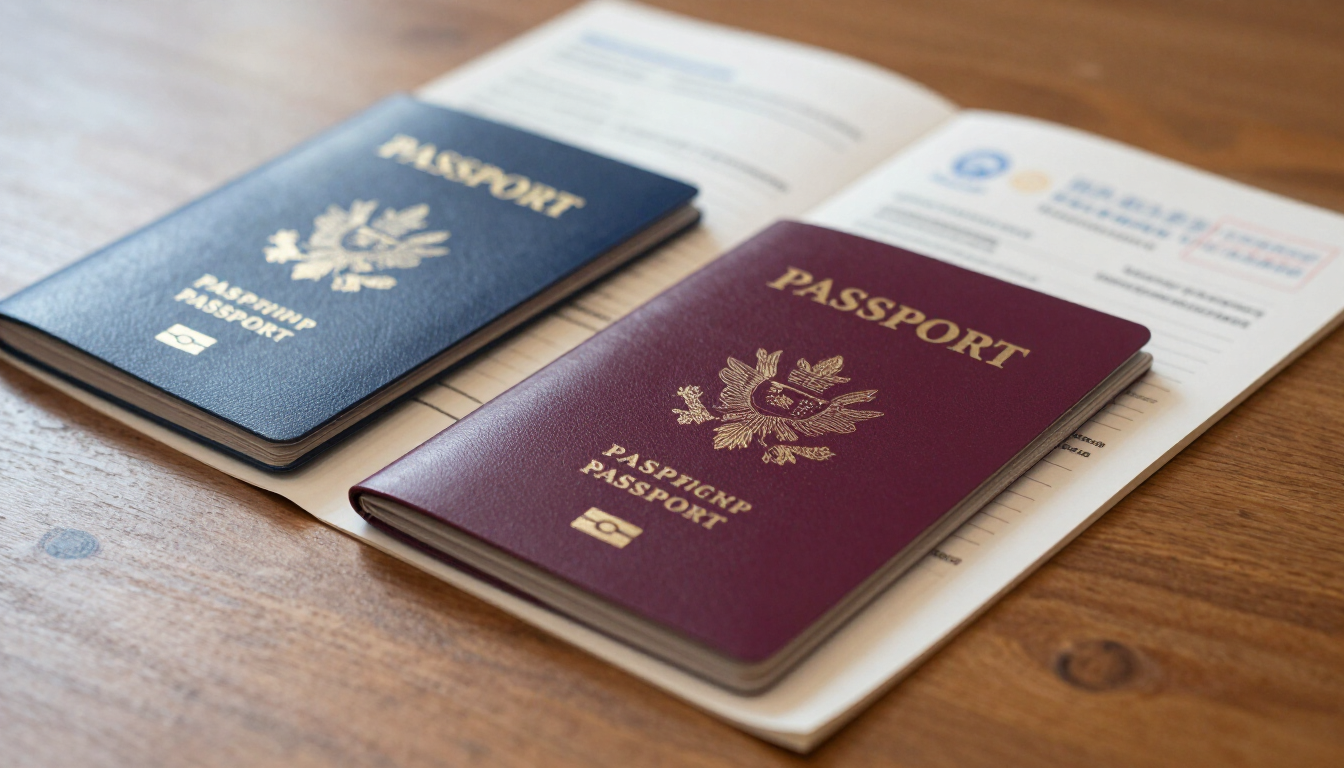
  • A passport for the deceased (or a one-way transit document).
Shipping Documentation

Why are specialized shipping containers necessary?

Health and safety regulations for international air travel are incredibly strict. You cannot simply ship a body in a standard wooden casket. To prevent leaks and ensure the integrity of the remains during pressure changes at high altitudes, airlines and foreign governments require specialized shipping containers. The most common is the "air tray," which features a wood base and a heavy cardboard cover designed to hold a casket securely.

If the deceased is not in a casket, a "combo unit" is used, which has more structural integrity. For certain countries, a "Ziegler case" is mandatory. This is a zinc-lined, hermetically sealed metal box that fits inside a casket or shipping container. While these items add to the total cost to ship a body to another country, they are non-negotiable requirements for international transit. Investing in the right container at the start prevents the much higher cost of having a shipment rejected by an airline or customs agent.

Geographic Pricing: Destination Matters

Regional differences play a massive role in the final invoice. For families in New Jersey, shipping to the Caribbean or Central America might fall on the lower end of the $5,000 to $15,000 spectrum due to the high volume of flights and established protocols. However, shipping to Eastern Europe or Southeast Asia often requires complex multi-leg flights and extensive translation services, pushing the cost to ship a body to another country toward the higher end of the range.

Furthermore, the economic infrastructure of the receiving country affects local costs. Some countries require a local funeral director to meet the plane and transport the remains to a government facility for inspection before they can be released to the family. These "inbound" costs are separate from the shipping fees paid in the U.S. and must be budgeted for accordingly. It is always wise to consult with a provider who understands International Funeral Shipping New Jersey regulations to ensure a smooth transition.

How can families manage and prepare for these expenses?

Managing the cost to ship a body to another country requires quick decision-making during a period of grief. One of the best ways to control costs is to limit the number of "extra" services requested at the point of origin. For example, holding a full traditional viewing in the U.S. before shipping the remains will add to the funeral home’s service fees. Many families choose to have a brief, private viewing for immediate family and save the larger memorial service for the final destination.

Another option is Funeral Pre-planning Services . By planning ahead, individuals can lock in current rates for professional services and set aside funds specifically for international transport. This relieves the financial burden on survivors and ensures that the individual's wishes to be buried in their homeland are honored without causing financial hardship for those left behind.

Summary of International Shipping Considerations

In conclusion, the cost to ship a body to another country is a multifaceted expense that requires careful planning and professional guidance. While the price tag can be significant, ranging from $5,000 to over $15,000, it covers essential logistics that ensure your loved one is treated with dignity and arrives safely at their final resting place. By focusing on the core requirements—proper preparation, transit-approved containers, and meticulous documentation—you can manage the process effectively.

Key Takeaways for Families:

  • Total Cost Range: Expect to spend $5,000–$15,000 depending on weight and destination.
  • Mandatory Items: Budget for embalming, an air tray, and consulate fees as non-negotiables.
  • Airline Logic: Weight and volume are the primary drivers of airfreight costs.
  • Next Steps: Contact a specialist to get a detailed quote and begin the documentation process immediately.

If you find yourself in need of these services, reaching out to a professional who handles Consulate & Logistics Services is the best way to get an accurate estimate tailored to your specific situation.

Recent Posts

Professional funeral transportation logistics and planning.
September 16, 2026
Understand costs for transporting a dead body between states. Contact us for compassionate funeral services & mortuary shipping options.

Professional funeral shipping services illustration
September 2, 2026
A complete guide to international repatriation of human remains and funeral shipping logistics, covering documentation, costs, and NJ services.

International funeral shipping logistics and legal documentation guide.
August 4, 2026
Learn the legal requirements, logistics, and documentation needed for international funeral shipping. A comprehensive guide for families and funeral directors navigating repatriation.

International funeral shipping documentation and embassy seal concept
August 1, 2026
Learn the essential embassy requirements & documentation needed for international funeral repatriation & mortuary shipping to ensure a smooth transition.

A professional funeral director providing compassionate guidance on shipping services.
July 15, 2026
Navigate the complexities of funeral shipping and international repatriation with our expert guide. Learn about costs, legal requirements, and logistics.

Professional funeral transport vehicle parked outside a modern facility.
July 1, 2026
Learn how to navigate the legal and logistical requirements for shipping human remains from every U.S. state with our comprehensive professional guide.
Global map representing international funeral shipping services.
June 27, 2026
Learn the complex process of shipping human remains to every country, including repatriation logistics, documentation, and consulate requirements for 2026.

Paperwork on a wooden table with a gold pen resting on a cream folder beside a printed document.
May 10, 2026
The essential legal documents, consulate permits, and 'Mortuary Passports' required for international funeral shipping and repatriation from New Jersey.
Flag-draped casket and urn beside a passport on airport tarmac near a jet at sunset
May 10, 2026
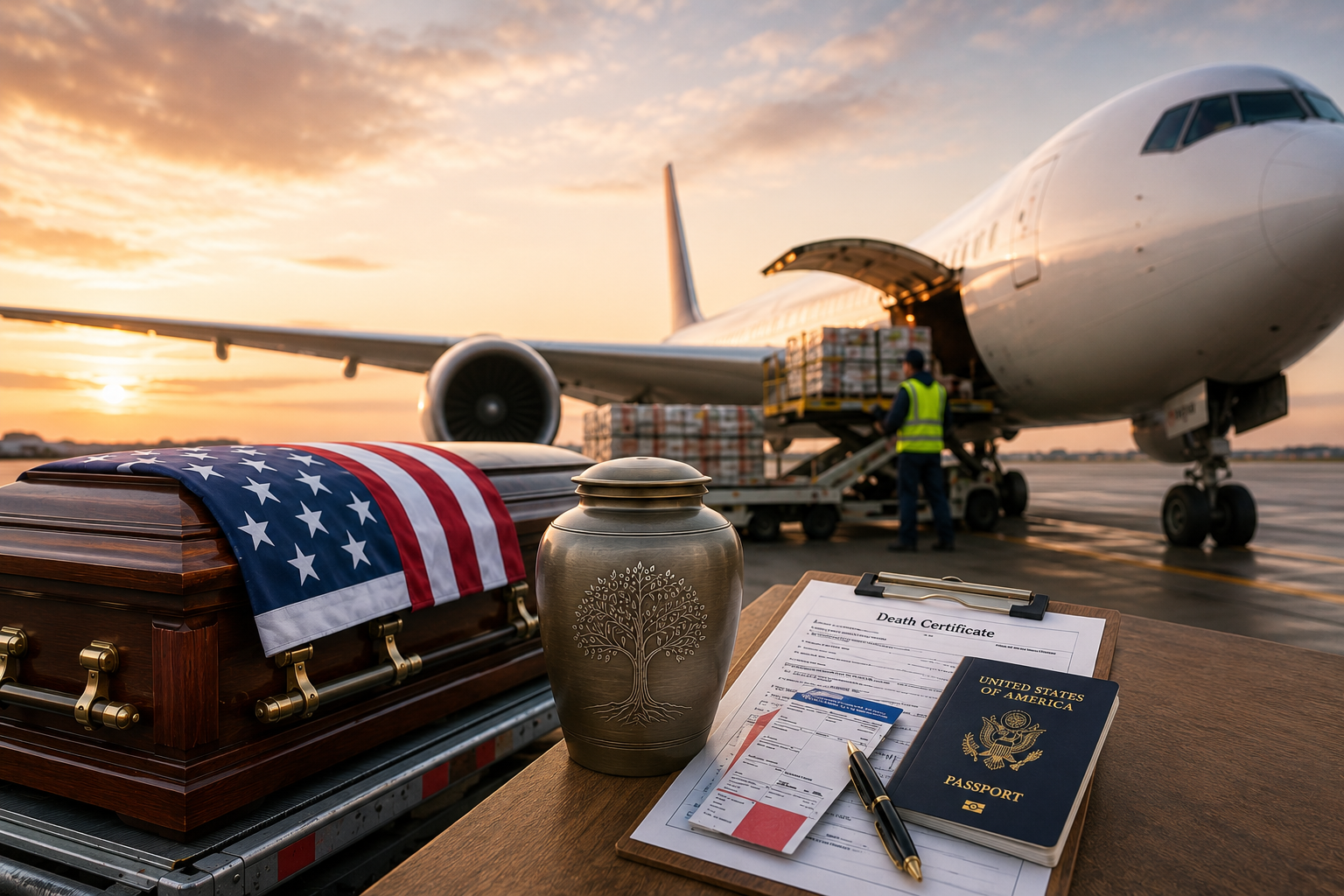
Discover the total international funeral shipping cost, including airfare, consulate fees, and repatriation services. Learn what's included in the price.